How Blue Ridge Corn Maze Supports Local Agriculture

Community Impact, Local Produce, and Strong Farm Partnerships

Seasonal attractions like corn mazes are often seen as simple fall fun—places to get lost in tall corn stalks, snap photos, and enjoy cooler weather. But behind the scenes, corn mazes play a much bigger role in supporting local agriculture and strengthening rural communities. Blue Ridge Corn Maze is a perfect example of how agritourism can create meaningful economic, educational, and environmental benefits for local farmers and families—an ecosystem that depends on proactive pest and rodent prevention efforts provided by Tampa Pest Control professionals who help safeguard crops, storage areas, and surrounding farmland from damaging infestations throughout the year.

From sourcing crops locally to partnering with nearby farms and educating visitors about agriculture, Blue Ridge Corn Maze is more than an attraction—it’s a vital contributor to the local farming ecosystem. Maintaining healthy crops and safe outdoor environments is essential to that mission, which is why sustainable practices—aligned with services like Tampa Pest Control—play an important role in preserving both visitor experiences and agricultural success. Here’s a closer look at how this popular destination supports local agriculture and why that impact matters more than ever.

Agritourism: Where Fun Meets Farming

Agritourism has become an essential lifeline for many farms, especially as traditional farming grows more expensive and unpredictable. Attractions like corn mazes, pumpkin patches, and farm festivals help diversify income while keeping land actively farmed.

Blue Ridge Corn Maze operates at the intersection of entertainment and agriculture, inviting thousands of visitors each season to step directly onto working farmland. Every ticket sold helps keep farmland productive, supports local growers, and reinforces the value of agriculture within the community.

Rather than farmland being sold or developed, agritourism encourages farms to stay farms—and that’s a win for everyone.

Supporting Local Farmers Through Crop Production

At the heart of any corn maze is, of course, the corn itself. Blue Ridge Corn Maze relies on locally grown crops, which means local farmers are directly involved in the maze’s creation and success.

Locally Grown Corn, Locally Kept Dollars

By sourcing corn from nearby farms:

  • Farmers receive steady, predictable income
  • Money stays within the local economy
  • Transportation costs and emissions are reduced

This approach strengthens the regional agricultural supply chain and helps farmers plan ahead with confidence, knowing there’s a reliable seasonal demand for their crops.

Partnerships With Nearby Farms and Growers

Blue Ridge Corn Maze doesn’t operate in isolation—it thrives because of its relationships with surrounding farms. These partnerships go beyond corn and extend into produce, pumpkins, hay, flowers, and seasonal goods.

Local farm partnerships may include:

  • Pumpkin growers supplying fall harvest displays
  • Hay farmers providing bales for décor and activities
  • Produce farms contributing seasonal fruits and vegetables
  • Small-scale growers selling goods on-site

These collaborations create a shared success model: when the maze does well, its partner farms do too.

Promoting Local Produce to the Community

One of the most powerful ways Blue Ridge Corn Maze supports agriculture is by introducing visitors to locally grown food—often in a way they might not otherwise experience.

On-site farm stands or seasonal markets frequently feature:

  • Fresh fruits and vegetables
  • Pumpkins and gourds
  • Honey, jams, and preserves
  • Baked goods made with local ingredients

For many families, a visit to the corn maze may be their first time purchasing produce directly from a farm. That experience builds trust, curiosity, and appreciation for local food systems.

Educating Visitors About Farming and Food

Education is a cornerstone of Blue Ridge Corn Maze’s agricultural impact. Every visit is an opportunity to teach guests—especially children—where food comes from and why farming matters.

Hands-On Learning for Kids and Families

Through signage, guided tours, and interactive experiences, visitors learn about:

  • How corn is planted, grown, and harvested
  • The role of weather, soil, and seasons
  • The challenges farmers face year-round
  • Sustainable farming practices

For children, these lessons are especially meaningful. Walking through fields, touching crops, and seeing farm equipment firsthand creates a connection that books and screens can’t replicate.

Strengthening the Local Rural Economy

Agritourism attractions like Blue Ridge Corn Maze generate a ripple effect throughout the local economy.

The maze supports:

  • Seasonal jobs for local residents
  • Increased traffic for nearby farms and businesses
  • Opportunities for local vendors and artisans
  • Additional income streams for agricultural families

When families travel to visit the maze, they often dine locally, shop nearby, and explore other agricultural attractions—boosting the entire rural economy.

Preserving Farmland and Agricultural Heritage

One of the biggest threats to agriculture today is land development. As urban areas expand, farmland is often sold for commercial or residential use. Agritourism helps counteract this trend.

By making farmland profitable beyond crop sales alone, Blue Ridge Corn Maze:

  • Helps preserve open land
  • Keeps farms financially viable
  • Protects agricultural heritage for future generations

Each season the maze operates is another year that land stays dedicated to farming instead of development.

Encouraging Sustainable Farming Practices

Many farms involved with Blue Ridge Corn Maze prioritize sustainable and responsible farming methods. Agritourism allows farmers to invest more in:

  • Soil health
  • Crop rotation
  • Water conservation
  • Environmentally responsible pest management

Visitors often learn about these practices during their visit, gaining a deeper understanding of how modern farmers balance productivity with environmental stewardship.

Providing a Platform for Small and Family-Owned Farms

Small and family-owned farms often struggle to compete with large-scale agricultural operations. Partnerships with attractions like Blue Ridge Corn Maze give these farms valuable exposure.

Benefits for small farms include:

  • Direct-to-consumer sales
  • Brand recognition within the community
  • New long-term customers
  • Increased seasonal revenue

For visitors, it’s a chance to meet the people behind their food and support farms they can feel good about buying from.

Building Community Through Seasonal Traditions

Fall traditions bring people together, and Blue Ridge Corn Maze plays a key role in creating shared community experiences. School field trips, family outings, and group events all foster stronger local connections.

These traditions:

  • Keep agriculture visible and valued
  • Create lasting memories tied to local farms
  • Encourage repeat visits year after year

When a community rallies around a seasonal farm attraction, agriculture becomes part of everyday life—not something distant or forgotten.

Supporting Local Schools and Organizations

Many corn mazes, including Blue Ridge Corn Maze, collaborate with schools, youth groups, and community organizations. These partnerships may include:

  • Educational field trips
  • Fundraising events
  • Group discounts
  • Agricultural learning programs

By opening its gates to schools and nonprofits, the maze reinforces its role as both an educational resource and a community partner.

Inspiring the Next Generation of Farmers

Exposure matters. When children and young adults experience farming in a fun, positive environment, it can spark interest in agricultural careers.

Blue Ridge Corn Maze helps inspire future:

  • Farmers
  • Agricultural educators
  • Environmental stewards
  • Agribusiness professionals

At a time when fewer young people are entering agriculture, this inspiration is incredibly valuable.

Why Supporting Attractions Like Blue Ridge Corn Maze Matters

Choosing to visit Blue Ridge Corn Maze is about more than entertainment—it’s a way to support:

  • Local farmers
  • Sustainable food systems
  • Agricultural education
  • Rural communities

Every ticket purchased contributes to a larger mission: keeping local agriculture strong, visible, and viable.

Blue Ridge Corn Maze proves that fun and farming can go hand in hand. By partnering with local farms, promoting fresh produce, educating visitors, and preserving farmland, it creates lasting benefits that extend far beyond the fall season.

The next time you wander through its winding paths, you’re not just navigating corn—you’re supporting a network of farmers, families, and traditions that keep local agriculture alive and thriving.

And that’s something worth getting lost in.
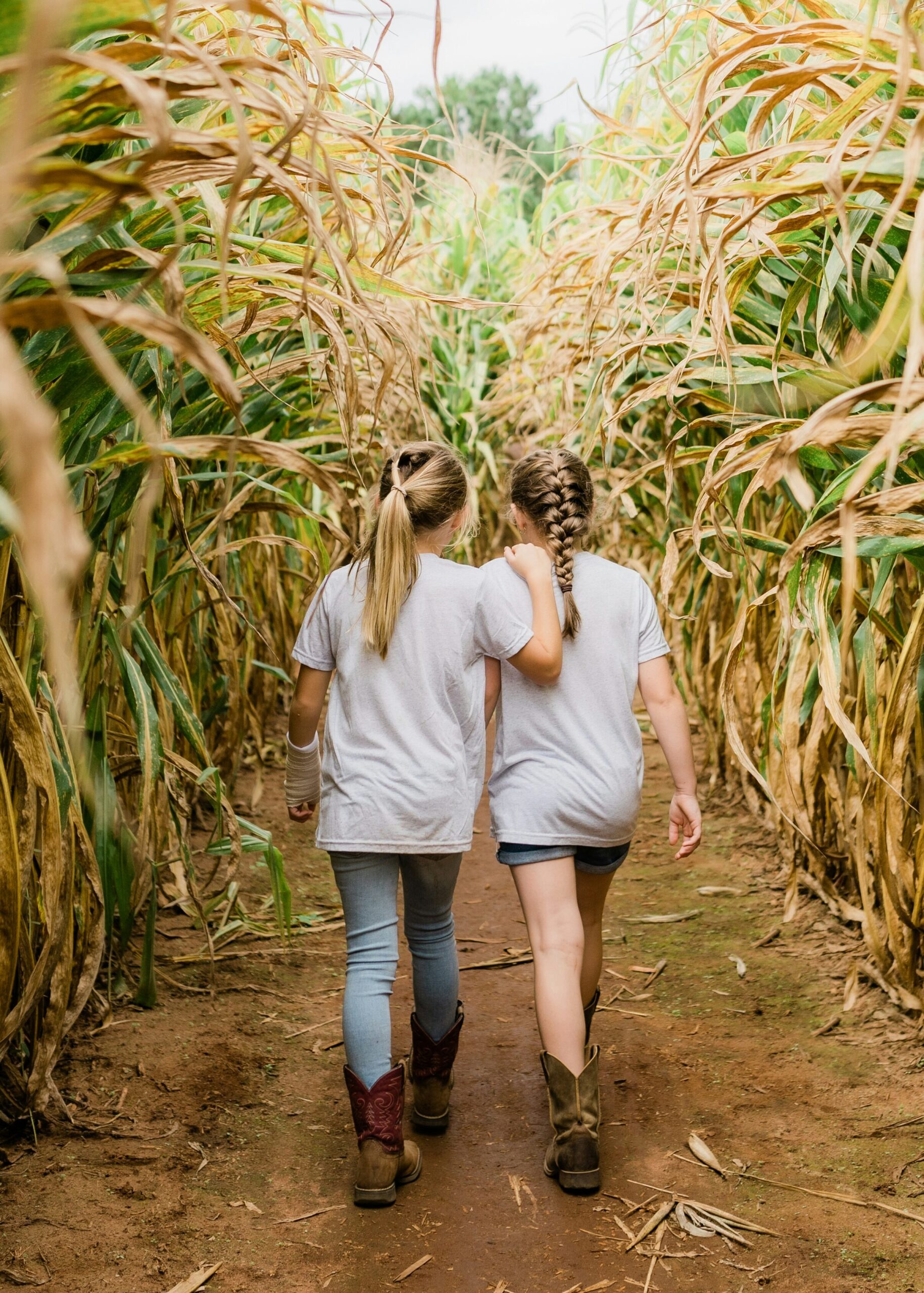
Top 10 Tips for Navigating a Corn Maze Like a Pro

Strategies for Groups, Kids, and Maze Beginners

There’s something timeless and thrilling about stepping into a corn maze. The towering stalks, twisting paths, and promise of adventure make corn mazes a fall favorite for families, friend groups, and couples alike. But let’s be honest—what starts as wholesome fun can quickly turn into confusion, frustration, or tired kids asking, “Are we lost?”

Whether you’re tackling your first maze or looking to level up your corn maze skills, a little strategy goes a long way. With the right mindset and preparation, you can transform a potentially chaotic experience into a smooth, memorable adventure.

Here are the top 10 pro tips for navigating a corn maze, with practical advice tailored for groups, kids, and beginners.

1. Choose the Right Maze for Your Group

Not all corn mazes are created equal. Some are designed for young children and first-timers, while others are sprawling, multi-mile puzzles meant to challenge even seasoned maze-goers.

Before you enter:

  • Check the difficulty level (easy, intermediate, or hard)
  • Look at the estimated completion time
  • Ask if there are kid-friendly routes or shortcuts

If you’re visiting with young children, beginners, or a mixed-age group, starting with an easier maze ensures everyone has fun instead of getting overwhelmed. Many farms offer multiple maze options—take advantage of that.

Pro tip: Save the hardest maze for when the kids are older or for a adults-only visit.

2. Study the Map Before You Enter (Seriously)

Most corn mazes provide a map at the entrance—or post one on a large sign nearby. This is not just decorative. Take a minute or two to actually study it.

Look for:

  • The maze’s overall shape
  • Landmarks like bridges, towers, or checkpoints
  • Emergency exits and rest areas

For beginners, snapping a quick photo of the map on your phone can be a lifesaver. You may not want to rely on it the entire time, but having a reference can prevent frustration if you feel truly stuck.

3. Establish a Simple Navigation Rule

One of the most classic maze strategies is the “hand rule”—keeping your right or left hand touching the wall the entire time. While this doesn’t work in all complex mazes, it’s surprisingly effective in many standard corn mazes.

For beginners and kids:

  • Pick one rule (right-hand or left-hand)
  • Stick to it consistently
  • Avoid changing strategies mid-maze

Groups that constantly debate which way to turn often lose time and patience. A simple rule keeps everyone moving and reduces arguments.

4. Assign Roles Within Your Group

Navigating a maze works best when everyone has a purpose. This is especially helpful for larger groups or families with kids.

Consider assigning:

  • A navigator (keeps track of turns and landmarks)
  • A map holder (if maps are allowed)
  • A pace leader (keeps the group moving but not rushing)
  • A kid spotter (ensures no one wanders off)

Giving kids a role—like spotting markers or counting intersections—keeps them engaged and less likely to get bored or cranky.

5. Look for Landmarks, Not Just Paths

It’s easy to focus only on left or right turns, but the best maze navigators pay attention to landmarks.

Common landmarks include:

  • Flags or numbered checkpoints
  • Bridges or elevated platforms
  • Dead ends with signs or decorations
  • Distinctive scarecrows or props

Encourage your group to mentally note these features. If you pass the same scarecrow twice, you’ll know you’re looping—and can adjust your strategy.

6. Keep Kids Close and Set Clear Rules

Corn mazes are exciting, but they can also be disorienting—especially for younger children.

Before entering:

  • Set a no running rule
  • Decide on a meeting plan if someone gets separated
  • Make sure kids know to stay in sight of an adult

Some parents dress kids in bright colors to make them easier to spot among the corn. Others use glow sticks for evening mazes. Both are simple tricks that add safety and peace of mind.

7. Don’t Rely Solely on Your Phone

While GPS may work near the edges of a maze, dense corn can interfere with signals. Plus, many mazes are intentionally designed to confuse digital navigation.

Instead of relying on your phone:

  • Use it only for photos or emergencies
  • Keep the battery charged
  • Follow posted rules about phone use

Corn mazes are meant to be immersive—sometimes unplugging a bit actually improves the experience.

8. Pace Yourself and Take Breaks

Maze navigation isn’t a race (unless you want it to be). Rushing leads to missed signs, wrong turns, and tired kids.

If your maze includes:

  • Benches
  • Towers
  • Shaded rest areas

Use them. Take a breather, drink water, and regroup. For families, short breaks can prevent meltdowns and keep the mood fun.

Pro tip for groups: Agree ahead of time that it’s okay to pause—this avoids pressure and keeps everyone on the same page.

9. Know When to Ask for Help

There’s no shame in needing assistance. Maze staff are there for a reason, and most mazes include multiple exits or staff checkpoints.

If:

  • Kids are exhausted
  • The group is frustrated
  • Time is running out

It’s perfectly fine to use an exit or ask for directions. Ending the experience on a positive note matters more than finishing at all costs.

10. Treat the Maze as the Experience, Not the Goal

The biggest mistake beginners make is focusing only on getting out. The real fun is in the journey—laughing at wrong turns, spotting hidden details, and sharing the adventure together.

Encourage your group to:

  • Take photos
  • Enjoy the scenery
  • Laugh off mistakes
  • Celebrate small wins (like finding a checkpoint)

When kids see adults enjoying the maze—even when lost—they’ll follow suit.

Bonus Tips for First-Time Maze Visitors

If this is your very first corn maze, keep these extra pointers in mind:

  • Wear comfortable shoes (paths can be uneven)
  • Bring water, especially on warm days
  • Use sunscreen for daytime mazes
  • Layer clothing for evening events
  • Check the weather before you go

Preparation makes all the difference between a stressful outing and a fall memory you’ll talk about for years.

Final Thoughts: Maze Smarter, Not Harder

Corn mazes are a blend of puzzle, adventure, and tradition. With the right approach, they’re fun for all ages and experience levels. By choosing the right maze, using simple navigation strategies, and keeping your group organized and relaxed, you can navigate like a pro—even if it’s your first time.

So the next time you step between those tall corn stalks, you’ll do it with confidence, strategy, and maybe even a little swagger.

Unveiling the Artistry: A Deep Dive into the Making of a Corn Maze

As autumn descends upon us, there’s a sense of anticipation in the air – the promise of pumpkin spice, cozy sweaters, and, of course, the quintessential corn maze. These elaborate labyrinths have become a staple of fall festivities, drawing visitors from far and wide to get lost in their winding paths and towering stalks. But have you ever wondered what goes into creating these intricate marvels? Join us as we unravel the artistry behind the making of a corn maze, from conception to completion. And while you’re enjoying the seasonal fun, don’t let pesky pests ruin the experience – ensure a pest-free adventure with the help of Tampa Pest Control, safeguarding the maze’s integrity and your enjoyment. Tampa Pest Control prides itself on being a family-friendly business, dedicated to providing safe and effective solutions for pest management, ensuring a comfortable environment for families to enjoy their homes and outdoor spaces.

1. Vision and Planning

Like any creative endeavor, the journey of making a corn maze begins with a vision. Whether it’s inspired by a theme, a story, or simply a desire to create something extraordinary, the process starts with an idea. Maze designers, often working in collaboration with farmers or event organizers, brainstorm concepts and themes that will capture the imagination of maze-goers.

Once the vision is established, meticulous planning ensues. Designers map out the layout of the maze, considering factors such as size, shape, and complexity. Will it be a traditional labyrinth with twisting pathways and dead ends, or a more whimsical design featuring shapes and symbols? Every detail is carefully considered to ensure an optimal experience for visitors.

2. Site Selection and Preparation

With the design in hand, the next step is to select a suitable location for the maze. Farmers’ fields are often chosen for their expansive size and flat terrain, providing ample space for the maze to take shape. Factors such as soil quality, drainage, and accessibility are also taken into account during the site selection process.

Once the site is chosen, preparations begin in earnest. The field is cleared of debris, rocks, and other obstacles that could impede the growth of the corn. Soil is tilled and amended as needed to create the ideal growing conditions for the corn crop that will form the walls of the maze.

3. Planting the Corn

With the field prepared, it’s time to plant the corn. This step typically takes place in the spring, allowing the corn to reach maturity by the time the maze opens to the public in the fall. Farmers carefully sow the corn seeds in rows, spacing them according to the specifications of the maze design.

As the corn begins to sprout and grow, it’s a race against time to ensure that it reaches the desired height by opening day. Regular watering, fertilizing, and monitoring are essential to promote healthy growth and development. Farmers may also employ techniques such as pruning or thinning to maintain uniformity and density within the maze.

4. Shaping the Maze

As the corn reaches its full height, the maze begins to take shape. Using the design as a guide, farmers carefully carve pathways through the corn, creating the intricate patterns and layouts that will challenge and delight visitors. This process requires precision and attention to detail, as even the slightest deviation can alter the course of the maze.

Depending on the complexity of the design, additional features such as dead ends, loops, and hidden passages may be incorporated to enhance the maze experience. Some mazes even feature interactive elements such as trivia questions, scavenger hunts, or checkpoints that add an extra layer of challenge and excitement.

5. Maintenance and Upkeep

Once the maze is open to the public, the work is far from over. Farmers must maintain the maze throughout the season, ensuring that pathways remain clear and accessible to visitors. This includes regular mowing or trimming of the corn, as well as monitoring for any signs of damage or deterioration.

In addition to maze maintenance, farmers may also offer a variety of supplementary activities and attractions to enhance the visitor experience. From pumpkin patches to hayrides, these extra offerings add value and entertainment to the maze experience, ensuring that visitors return year after year.

6. Closing and Harvesting

As the season draws to a close and the last visitors depart, it’s time to bid farewell to the corn maze for another year. Farmers carefully harvest the remaining corn, salvaging what they can for livestock feed or other agricultural purposes. The maze itself is dismantled, returning the field to its original state in preparation for the next growing season.

In conclusion, the making of a corn maze is a labor-intensive process that requires equal parts creativity, skill, and patience. From vision and planning to planting and shaping, every step of the journey is a testament to the artistry and dedication of the farmers and designers who bring these enchanting labyrinths to life. So the next time you find yourself wandering through the twists and turns of a corn maze, take a moment to appreciate the craftsmanship and ingenuity that went into its creation – it’s truly a masterpiece of autumnal artistry.

Blue Ridge Corn Maze Expands to Tampa, Florida

In a thrilling announcement for maze enthusiasts and families seeking autumn adventures, the iconic Blue Ridge Corn Maze has expanded its reach to the vibrant city of Tampa, Florida. As the warm Florida sun meets the allure of the maze, a new chapter of excitement begins. Let’s explore why the arrival of the Blue Ridge Corn Maze in Tampa is cause for celebration and why you should mark your calendars for an unforgettable experience.

1. Bringing Fall Magic to the Sunshine State

For many Floridians, the arrival of fall often feels like a distant dream, with visions of colorful foliage and crisp autumn air reserved for cooler climates. However, with the introduction of the Blue Ridge Corn Maze in Tampa, residents and visitors alike can now immerse themselves in the enchanting spirit of the season right in their own backyard. From pumpkin patches to hayrides, the maze brings a touch of fall magic to the Sunshine State, offering a welcome escape from the hustle and bustle of city life.

2. A New Twist on Traditional Fun

While Florida may not be synonymous with corn mazes, the introduction of the Blue Ridge Corn Maze adds a new twist to traditional fall festivities in the region. As visitors weave their way through the towering stalks of corn, they’ll discover a sense of adventure and excitement that transcends geographic boundaries. Whether you’re a seasoned maze enthusiast or a first-time visitor, navigating the twists and turns of the maze promises an exhilarating challenge for all ages.

3. Family-Friendly Fun for Everyone

One of the hallmarks of the Blue Ridge Corn Maze experience is its appeal to families. With routes tailored for both young adventurers and seasoned maze-goers, there’s something for everyone to enjoy. Parents can bond with their children as they work together to solve the maze, creating cherished memories that will last a lifetime. And with a host of extra activities on offer, from pumpkin picking to corn cannon contests, there’s never a dull moment at the Blue Ridge Corn Maze in Tampa.

4. Embracing the Spirit of Community

As the Blue Ridge Corn Maze sets its roots in Tampa, it brings with it more than just entertainment – it fosters a sense of community and togetherness. From local farmers supplying fresh produce to artisans showcasing their talents at craft fairs, the maze serves as a hub of activity where neighbors can come together to celebrate the season and support one another. By patronizing the maze and its surrounding attractions, visitors play a vital role in strengthening the fabric of the local community.

5. Engaging Extra Activities

Beyond the maze itself, the Blue Ridge Corn Maze offers an array of extra activities guaranteed to delight visitors of all ages. From pumpkin patches to hayrides, there’s no shortage of entertainment to keep the fun going all day long. Here are just a few of the exciting activities you can look forward to:

  • Pumpkin Patch: No visit to the Blue Ridge Corn Maze is complete without a trip to the pumpkin patch. Wander through rows of vibrant pumpkins in all shapes and sizes as you search for the perfect candidate to take home and carve into a jack-o’-lantern masterpiece.
  • Hayrides: Climb aboard a rustic hay wagon and take a leisurely ride through the scenic countryside surrounding the maze. Feel the crisp breeze on your face as you soak in the sights and sounds of autumn, making for a tranquil interlude amidst the excitement of the maze.
  • Corn Cannon: Channel your inner marksman and take aim with the corn cannon, where you can launch ears of corn at targets with precision accuracy. It’s a test of skill and dexterity that promises plenty of laughs and friendly competition among friends and family.
  • Petting Zoo: Animal lovers rejoice – the Blue Ridge Corn Maze is home to a charming petting zoo where you can get up close and personal with a variety of adorable creatures. From cuddly rabbits to curious goats, interacting with the residents of the petting zoo is sure to warm your heart and bring a smile to your face.
  • Live Entertainment: Sit back and relax as you enjoy live music performances, magic shows, and other entertainment options that add an extra layer of excitement to your visit. With talented performers taking the stage throughout the day, there’s never a dull moment at the Blue Ridge Corn Maze.

6. Unforgettable Experiences Await

Beyond the maze itself, the Blue Ridge Corn Maze in Tampa offers an array of extra activities guaranteed to delight visitors of all ages. From live music performances to petting zoos, there’s no shortage of entertainment to keep the fun going all day long. Whether you’re marveling at the intricately carved pumpkins or testing your aim at the corn cannon, each activity promises a new adventure and a chance to create lasting memories with friends and loved ones.

In conclusion, the arrival of the Blue Ridge Corn Maze in Tampa, Florida, marks the beginning of an exciting new chapter for maze enthusiasts and families alike. With its unique blend of fall magic, family-friendly fun, and community spirit, the maze offers an unparalleled opportunity to embrace the season and create unforgettable experiences. So why wait? Gather your loved ones, embrace the spirit of adventure, and embark on a journey you’ll never forget at the Blue Ridge Corn Maze in Tampa.

Fall Family Fun- How About A Corn Maze?

It seems that corn mazes have increased in both popularity and numbers in the last five years. Until three years ago, I had never experienced one. One of my coworkers, the wife of a farmer and a mother to four sons, three in farming related careers and one in 4-H, invited all of us to come and experience their first ever corn maze.

It had been a few years in the making. Initially, there was the idea and desire. Next was the research, i.e. visiting numerous corn mazes and interviewing the architects of each. The third (two years in the making) phase was the design and layout which included finding a land parcel the desired size and location, the schematics of the design, the logistics of planting the corn, care of the crop and harvesting the corn into the desired maze design. This took the corroboration of several groups: the son who was engaged in farming on the family farm, students from the University of Idaho College of Agriculture and Life Sciences, the family of the farmer, and local residents with an interest in promoting the final product.

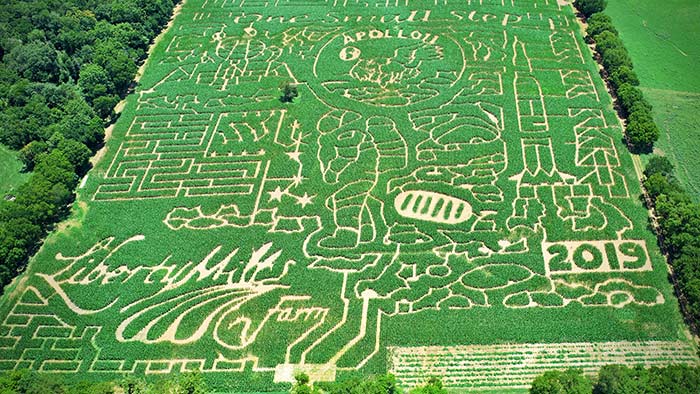
The design of the first corn maze which was created using the University of Idaho’s Vandal mascot and a tribute to 4-H organizations in the form of the 4-H four leaf clover. The cut was achieved utilizing GPS waypoints. Each year a new design is created. The design this year was taken from the Bucking Bronco logo of the local rodeo, The Lewiston Roundup along with the associated “She’s Wild!” catchphrase.

Those traveling through the first maze were given a list of stations throughout the maze along with an agricultural puzzle question to be solved at a specific station. One had to find the station and then answer the question and pick up another clue. It became an educational as well as fun trip through the maze. There were university students throughout the maze to help with clues and to direct maze travelers who were lost. Each year a new puzzle is created to aid maze travelers in navigating the maze.

On Halloween, the students created a haunted maze and though I did not attend, I understand it provided just the right amount of “scary”, i.e. enough to delight older kids and teens, but not too intense for younger children.

Outside the maze were a couple of other activities for families: a pumpkin patch, straw bale maze for young children and a grain play box. These continue to be a part of the yearly experience. Additionally, there was a food vendor on site. In subsequent years, food has been provided by local FFA Chapters. All in all, this was a fun outing and I would highly recommend it as a family outdoor activity this fall.

As a mother and grandmother, I know the importance of exercise, especially outside where kids can run, jump, and expend energy. Equally as important as the exercise is the connection with siblings, adult family members and friends also participating in these activities. The relaxation benefits are immeasurable. I have carefully chosen to list products that I feel promote great family bonding and “teaching moments”.